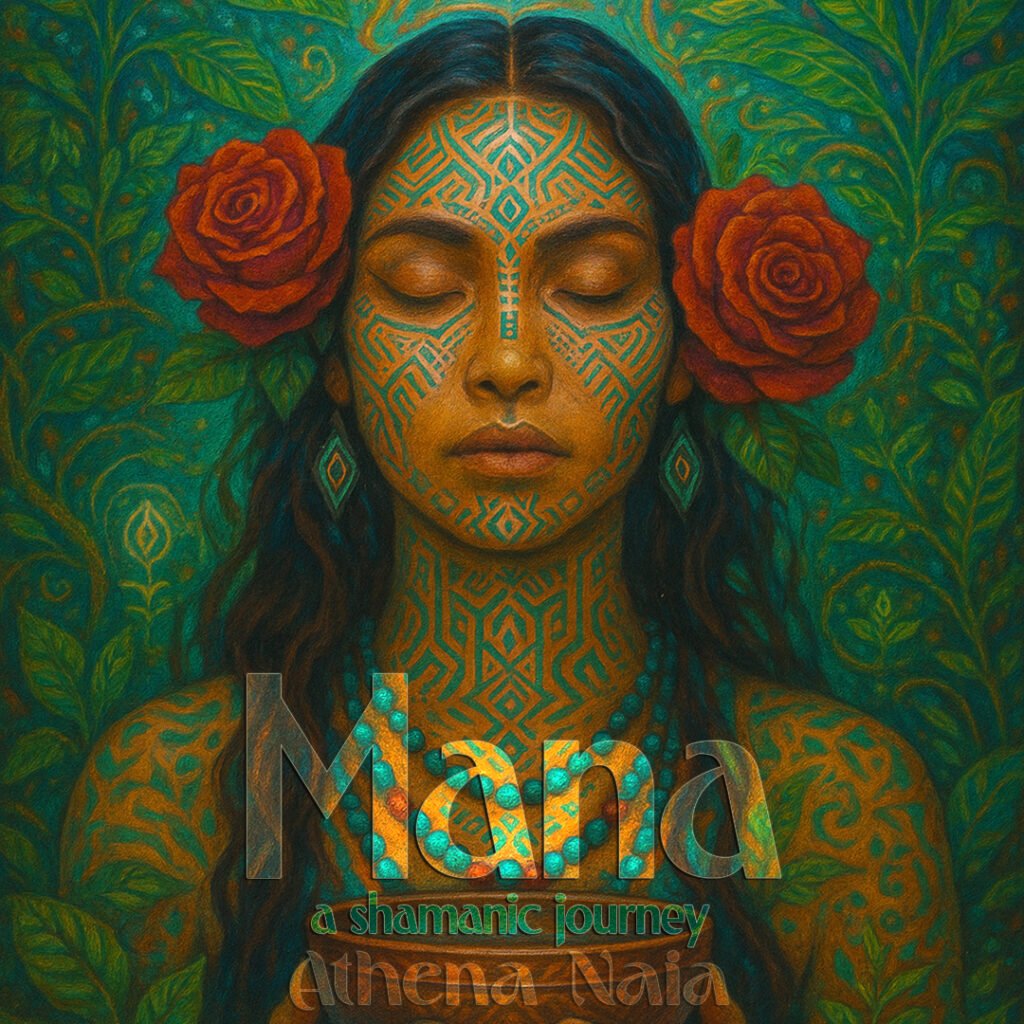

Join us in the powerful practice of plant Dieta from the comfort of your own home.
Dieta is an ancient shamanic practice originating with the Shipibo and other Amazonian peoples — a disciplined period of communion with a master plant spirit, typically involving dietary restrictions (no salt, sugar, oil, or spice) and, often, isolation. By quieting the nervous system and sensory noise, the dietero becomes attuned to the subtle teachings of the plant.
The practice is both healing and educational: plants work on physical, emotional, mental, and spiritual levels simultaneously. Over time, dieted plants become woven into the practitioner’s being as protective, compassionate allies — what the Shipibo call Arkana, a living cloak of songs and healing vibrations.
Welcome video from Athena & Jason, your Dieta holders
Rose is among the most ancient flowering plants on Earth, with fossil records dating back 25 million years. It occupies a singular place in both herbal medicine and spiritual tradition across cultures and continents. Rose species in their wild form have five petals, associated with the pentagram of Venus and the divine feminine across many traditions.
Physically, Rose is anti-inflammatory, astringent, and cooling. It eases liver congestion, gently supports the gallbladder, soothes sore throats, and helps with seasonal allergies and colds. It is a tissue tonic — improving tone, healing wounds, and repairing capillary integrity. Particularly useful for menstrual cramps and heavy flow, and for calming heart palpitations. High in minerals, antioxidants, and vitamin C, especially in the rosehips.
Spiritually, Rose is one of the most symbolically layered plants in human history. It is extraordinarily effective for heart healing — mending grief, anger, heartbreak, and the severed channel between heart and sexuality. It helps establish healthy boundaries and is regarded as a powerful ally for healing violations of all kinds. Rose is associated with Aphrodite, Astarte, Ishtar, Isis, Inanna, Mary Magdalene, Mother Mary, Our Lady of Guadalupe, and Lakshmi — a thread of the divine feminine running through every major world tradition.
Cross-cultural connections: In Sufi mysticism, rose imagery is central — Rumi’s poetry overflows with it as a symbol of the soul and divine love. In Rosicrucian and alchemical traditions, the rose represents spiritual consciousness flowering from the earthly cross. Rose water has been central to Islamic and Persian ritual purification for over a thousand years. In many Western esoteric traditions, the heart center is mapped to the rose rather than the lotus.
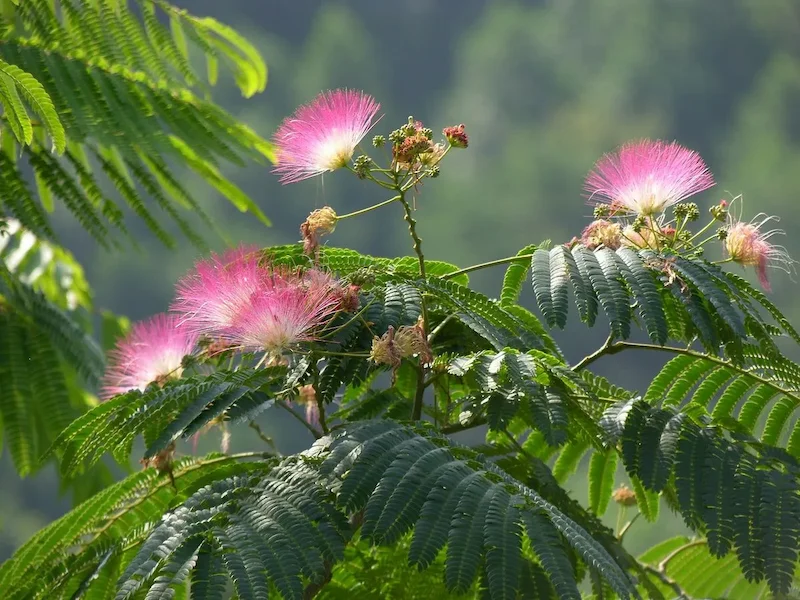
Bobinsana is a master plant teacher of the Amazon, revered within the Shipibo tradition and recognized for its radiant pink, almost fluorescent flowers. It grows at the water’s edge — along riverbanks and floodplains where the water moves — and this liminal, fluid quality is fully expressed in its spirit.
Physically, Bobinsana’s roots, bark, and leaves are used medicinally to support the throat, lungs, voice, and reproductive system. It has anti-inflammatory and analgesic properties and has traditionally been used for rheumatism, arthritis, and circulatory support. Its affinity for the throat and lungs makes it a natural companion for singers and those with respiratory sensitivity.
Spiritually, Bobinsana is a heart-opener associated with emotional fluidity, creativity, joy, and the reclamation of vitality after loss. It works deeply with grief, childhood wounds, past relationship pain, and intimacy. It is known for activating the voice — both the singing voice and the voice of authentic self-expression — and for opening creative channels that have gone quiet or closed. Enhanced dream recall and lucid dreaming are commonly reported by those in Bobinsana dieta.
Cross-cultural connections: The archetype of the heart-opening water plant appears across traditions: the water lily and lotus symbolize the opening of the heart to light in Egyptian, Hindu, and Buddhist cosmologies. In Greek mythology, water nymphs (naiads) presided over emotional healing and creativity. The Celtic tradition placed grief ceremonies at the water’s edge, understanding water as the realm of the ancestors and the medium through which emotion is processed and released.
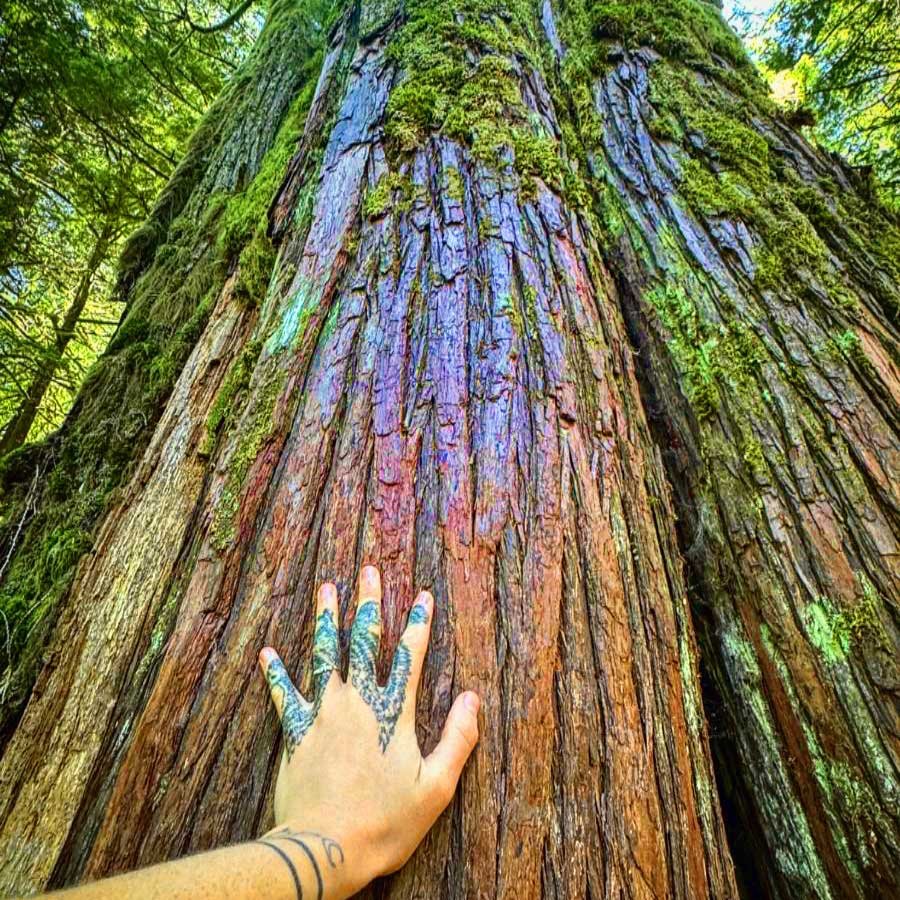
Cedar is one of the oldest living tree species on Earth, and one of the earliest plants to be recorded in human literature — appearing in the Epic of Gilgamesh, written in ancient Mesopotamia around 2100 BCE, where the Cedar Forest was the home of the gods. Its lineage as a sacred and medicinal plant spans continents.
Physically, Cedar is naturally antimicrobial and antifungal. Its oils repel bacteria, viruses, and insects, making it effective for respiratory support, skin conditions, and infection prevention. Cedar smoke has measurable air-purifying properties. Bark, leaf, and berry have been used in teas for urinary health, respiratory complaints, and as a uterine tonic.
Spiritually, Cedar carries one of the longest documented lineages of any plant ally. In Coast Salish traditions of the Pacific Northwest, red cedar is called the Tree of Life — providing shelter, clothing, boats, medicine, and spiritual protection, embodying the essence of abundance. In Cherokee tradition, it is the Tree of the Ancestors, gifted by the Great Spirit after a time of collective grief. Across traditions it is used for purification, protection, and the release of burdensome energy — spiritually mirroring its physical antimicrobial nature. In these territories, it is used in forgiveness ceremonies.
Cross-cultural connections: The Cedar of Lebanon appears throughout the Hebrew Bible as a symbol of holiness and incorruptibility, used in the construction of Solomon’s Temple. In Tibetan and Himalayan shamanism, cedar and juniper smoke is burned to call in protective spirits and clear negative energies — a near-universal practice found across four continents. The cosmic World Tree archetype, present in Norse (Yggdrasil), Coast Salish, and many other traditions, finds one of its most embodied expressions in the cedar.
Mapacho is one of the oldest ceremonially used plants in the Americas, with a documented history spanning over 8,000 years. Before there were ayahuasqueros, there were mapacheros — tobacco shamans who used this plant as their primary healing tool. It is considered an advanced dieta and is approached with deep respect.
Physically, Mapacho contains significantly higher concentrations of nicotine and harmala alkaloids (harmane and norharmane) than commercial tobacco. These alkaloids act as mild MAO inhibitors, increasing serotonin availability in a manner similar to antidepressants. It is antifungal, anti-parasitic, and has traditionally been used as a natural pesticide. It is administered as smoke, strong brew drunk in ceremony, rapé (nasal snuff), or topical paste.
Spiritually, Mapacho is associated with prayer, devotion, energetic protection, and the sacred masculine principle — structure, commitment, and right action. The plant spirit is said to appear as an ancient grandfather: stern, loving, and deeply wise. It communicates heavily through the dream state and is a powerful conduit for ancestral connection and direct prayer.
Cross-cultural connections: Tobacco is considered sacred across nearly every indigenous tradition of the Americas — from the Lakota chanupa (sacred pipe) to the Maya deity Hunahpu, one of the oldest figures depicted holding a cigar. In West African and Afro-Caribbean traditions, tobacco is offered to ancestral spirits and orishas. In Cherokee and Haudenosaunee traditions, it is the primary medium of prayer, offered to fire and water. Its universal role as prayer-carrier makes Mapacho one of the most cross-culturally resonant plant medicines on Earth.
Noya Rao is among the rarest and most revered plants in Amazonian medicine. It is a bioluminescent tree — said to glow in the dark — that has been known to appear and disappear from known locations in the jungle, as though choosing its encounters. For many years its knowledge was transmitted only directly from teacher to student, without written record. It is considered an advanced dieta and is recommended only for those with prior experience in plant work and ceremony.
The primary offering of the Noya Rao dieta is fasting. On ceremony days, participants eat their last meal by 1pm, then take no food or liquids until noon the following day. The plant is said to provide a subtle form of nourishment during this fasting window. During the morning fast, participants are encouraged to shower, walk in nature, meditate, and journal, as the plant continues its work through this period.
Spiritually, Noya Rao is used to strengthen the energy body, amplify sensitivity and perceptual gifts, and open access to higher-dimensional wisdom. It has historically been sought by healers in training, as it is said to awaken and clarify the specific gifts each person carries. Because of its high frequency, it can also surface what is out of alignment — making clear intention and proper preparation essential.
Cross-cultural connections: Fasting from food and water as a spiritual technology appears in virtually every wisdom tradition: the Lakota vision quest, the 40-day fasts of Moses and Jesus, Ramadan in Islam, Yom Kippur in Judaism, and extended meditation retreats in Buddhism.
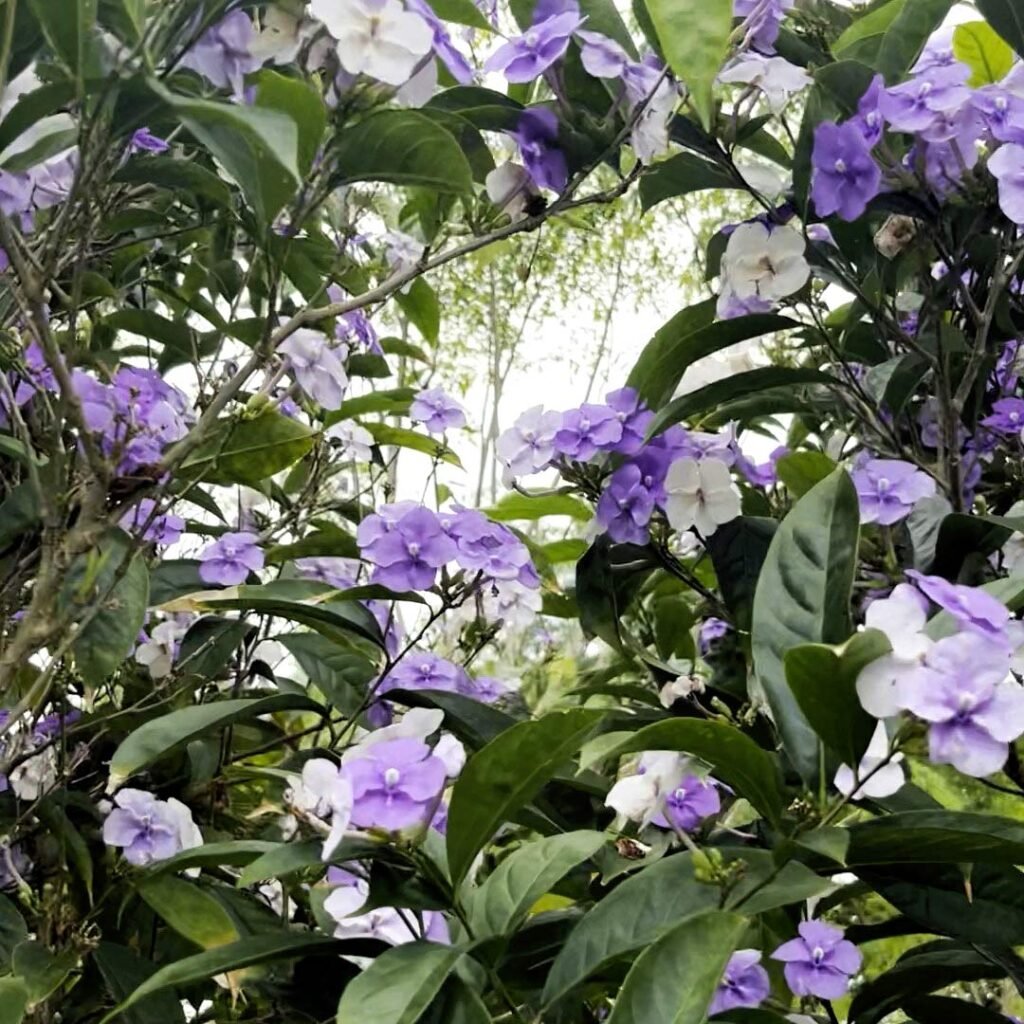
Chiric Sanango is a revered master plant teacher of the Amazon rainforest, recognizable by its striking clusters of purple flowers. Its name — Chiric, meaning “itchy” in Quechua — reflects the mild tingling sensations experienced after ingestion, a sign of its energetic movement through the body. While not psychoactive, it is a powerful ally for both physical and spiritual healing.
Physically, Chiric Sanango has been used traditionally to address auto-immune conditions, with anti-inflammatory and nervine properties. It is prepared as a tea or alcohol infusion of the root and bark.
On a spiritual level, Chiric Sanango is a teacher of soul alignment. It cultivates confidence, self-esteem, and decisiveness — helping the dietero clarify their direction, reconnect with their deepest desires, and release self-doubt. It is said to help one rediscover joy, presence, and trust in unseen guidance. Many who have worked with this plant describe a gradual but profound reorientation toward their true path.
Cross-cultural connections: The themes of soul-retrieval and alignment of inner calling with outer life appear across many traditions — in Lakota teachings around finding one’s medicine, and in Ayurvedic practices using nervines and bitters to ground scattered vital force and strengthen personal will.
Find clarity on our traditions, safety protocols, and the sacred journey of the plant medicine experience.
A plant dieta is a traditional Amazonian practice where one commits to working with a specific master plant consciousness for a period of time, while following a simplified, monastic lifestyle to increase sensitivity and subtle awareness. This sensitivity allows the nuances of teachings and healings from the plant spirit to be felt, heard, experienced to a greater degree. Different plants work on different aspects of our pain bodies, darkness, shadow, and unconsciousness to bring in the light of creation for recalibration, healing and support. Plant diets allow us to commune with a plant spirit and create allyship with that consciousness for support on all levels of our being.
Plant Dieta is an energetic technology rooted in thousands of years of shipibo tradition. They require an initiated and experienced shamanic practitioner to open the dieta container through ikaros transmissions (a plant language), and they require a closing as well.
During the time that your dieta is “open”, there is regular consumption of the plant (via tincture, tea, inhalation, topical, sprays), and an overall focus toward the plant, and it’s teachings. Outside of a dieta, consuming the plant does not entail a dieta. The technology of dieta is an energetic technology. Consuming the plant supports and strengthens that through ingesting it.
While your dieta is open, your energy field is open, sensitive, and receptive to the teachings of the plants to a greater degree than when your dieta is closed, as well as the rest of the world. The dieta works on the physical, emotional, spiritual, and energy realm to heal, restore, renew, transmute what is needed for the individual, in their own unique way. Each plant has common healing themes it tends to bring up, though each dieta is unique to the dietero involved.
For those seeking healing, plant dietas accelerate deep healing experiences, uncovering nuanced root causes that modern therapies may never access—or may take far longer to reveal. Just as a single plant medicine ceremony can achieve in one weekend what therapy might take ten years to uncover, plant dietas can similarly fast-track one’s awakening and healing in profound ways.
For healers and practitioners, plant dietas significantly expand one’s medicine bundle and capacity as a lightworker. Working with plant spirit allies strengthens and enhances the healing work you do. Many of our students have reported that psychics and intuitives can actually perceive the presence of the plants surrounding them post-dieta—revealing that these spirits remain as lifelong allies and energetic supports long after the dieta has ended.
Traditional dietas can range from a few weeks to several months. When working individually, the length of your dieta is determined by your maestro or maestra, based on your specific needs and the plants you are working with.
At Earth Temple, we offer 8-day retreat dietas and 6-week remote dietas as our standard formats, with slight variations on a case-by-case basis. Students who wish to extend their dieta typically have more experience and require less direct support from a maestra to do so.
Both Remote Dietas and In-Person Retreat Dietas offer profound opportunities for healing, communion with plant spirits, and deep inner work.
An in-person dieta closely follows the traditional structure of dieta as practiced in the jungle. The Sacramental ceremonies allow the dietero to become highly perceptive of the plant ally they are dieting, deepening the diet profoundly. The retreat provides a fully immersive environment, away from the distractions of daily life, where participants can drop into deep stillness, isolation, and healing with the direct guidance of a maestra or maestro.
A remote dieta allows participants to engage in dieta while continuing to live in their daily environments, offering more accessibility to the healing work, as well as the flexibility while still requiring strong commitment and discipline.
Both paths offer powerful transformation—what matters most is the level of commitment you bring to the dieta process. The deeper you surrender, the more the plant spirits can work with you.